
Self-Tanner vs Sunbeds: Myths That Fast-Track Skin Aging
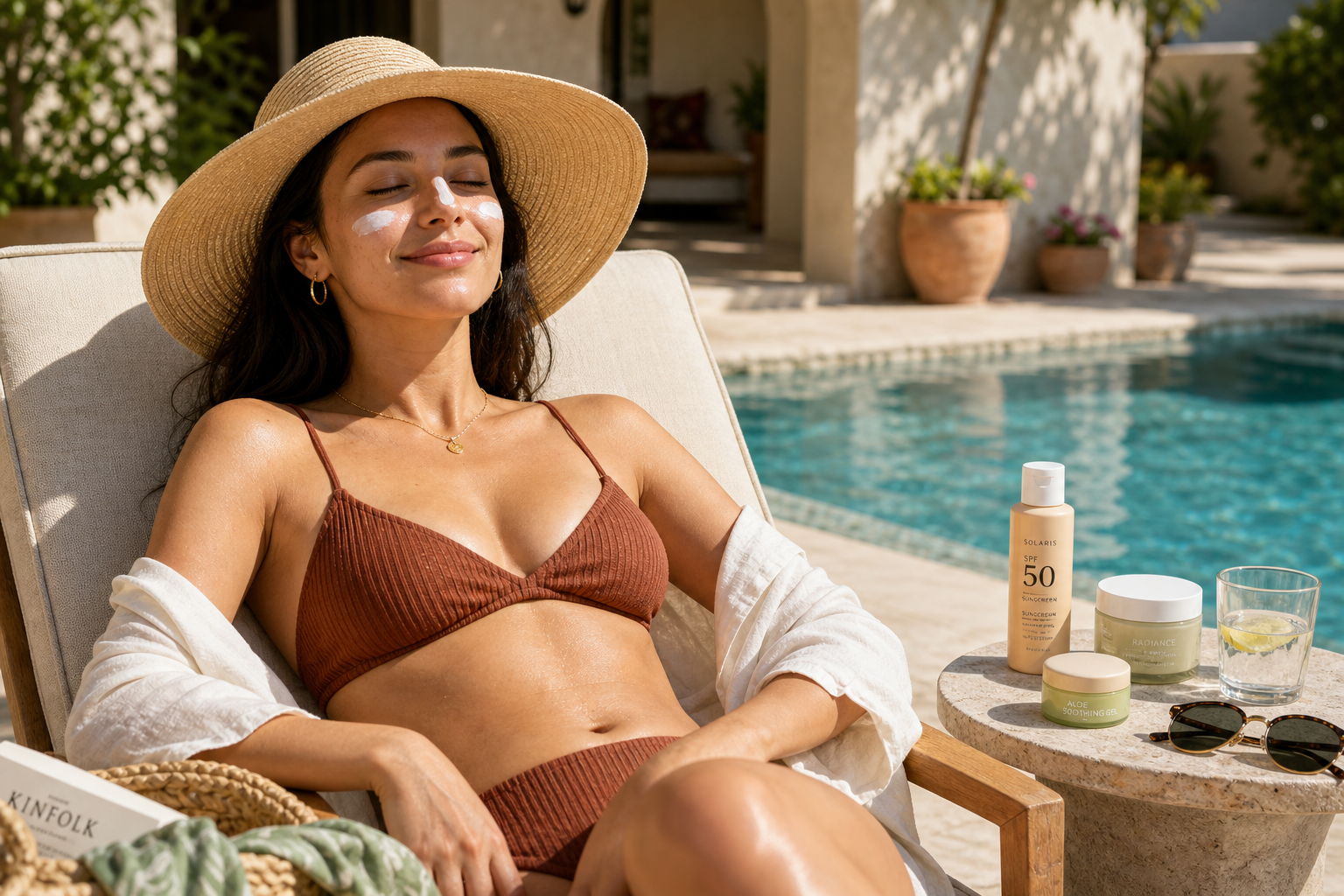
If you love that summer glow, you have probably heard lines like “I just need a base tan” or “Sunbeds are safer than real sun.” These myths are quietly aging your skin.
Quick answer: Tanning beds and unprotected sun exposure both damage skin and speed up wrinkles and skin cancer risk. Self-tanner is safer, but it does not replace daily sunscreen.
In this myth‑busting guide, we will separate fact from fiction so you can enjoy a bronzed look without sacrificing your skin health.
Myth 1: “A base tan protects me from burning”
The myth: Get a few sunbed sessions or long pool days before vacation so you will not burn.
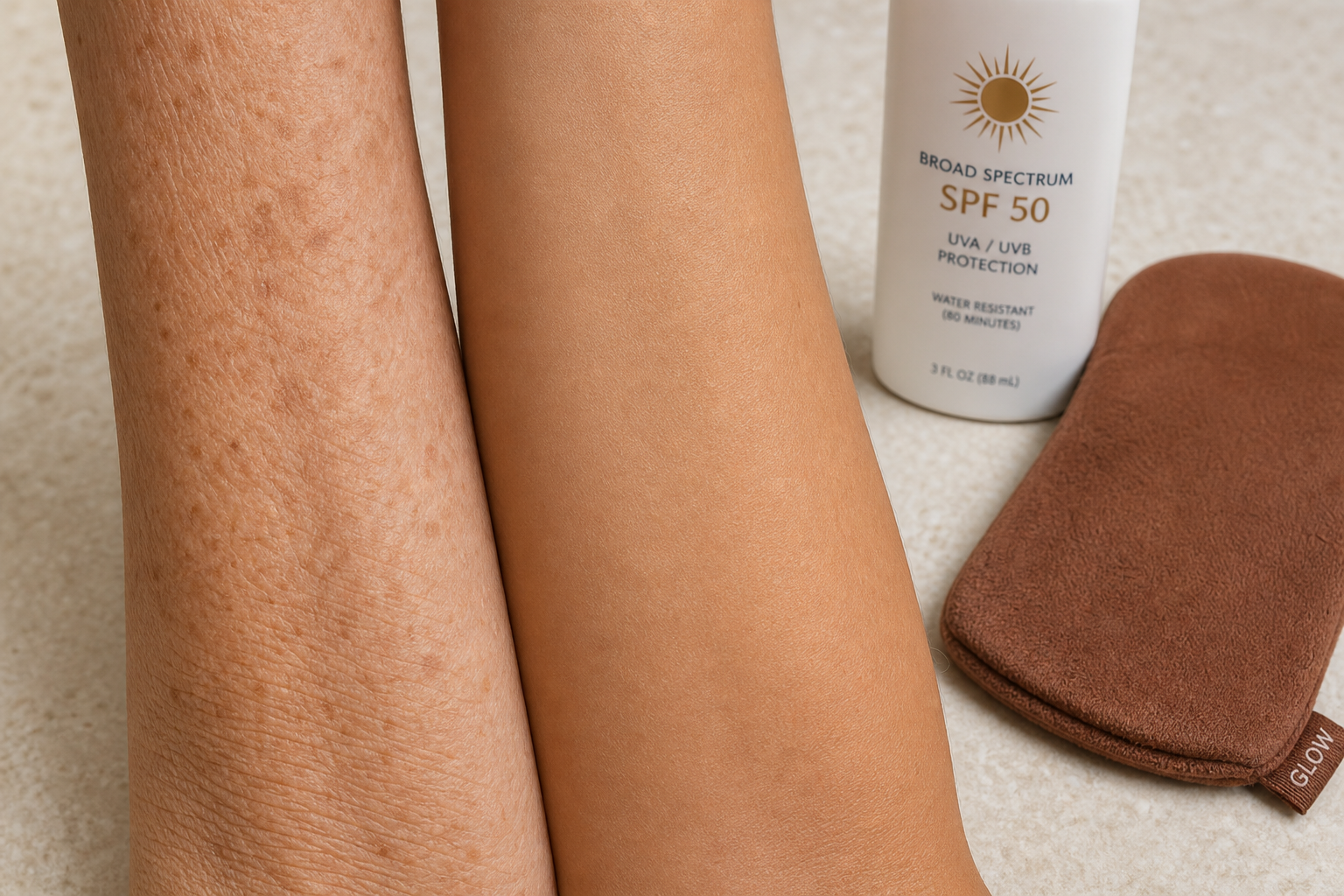
The fact: A tan is your skin’s injury response, not a shield. Studies show a tan gives the equivalent of about SPF 2 to 3 at best, which is almost no real protection from UV damage.
That “head start” tan means your DNA has already been hit. Every extra unprotected session stacks damage that leads to fine lines, sagging, and higher skin cancer risk.
Do instead:
- Use broad‑spectrum SPF 30 or higher every day
- Reapply every 2 hours when outdoors
- Add a wide‑brimmed hat and UV‑blocking sunglasses
At Steadman Aesthetics, we often pair high‑quality sunscreens from ZO Skin Health or skinbetter science with customized treatment plans to help repair past sun damage while you protect your skin going forward.
Myth 2: “Tanning beds are a controlled, safer tan”
The myth: Because tanning beds are timed and indoors, they are less harmful than the sun.
The fact: Tanning beds intentionally blast your skin with high doses of UVA and often UVB. Indoor tanning is linked with a significantly increased risk of melanoma and other skin cancers, especially with use before age 35.
On the cosmetic side, UV from beds and the sun both:
- Break down collagen and elastin, causing wrinkles and sagging
- Trigger brown spots and uneven tone
- Worsen redness and visible capillaries
If you are noticing “tanning bed lines,” crepey chest skin, or new freckles that did not exist a few years ago, those are early signs of photoaging.
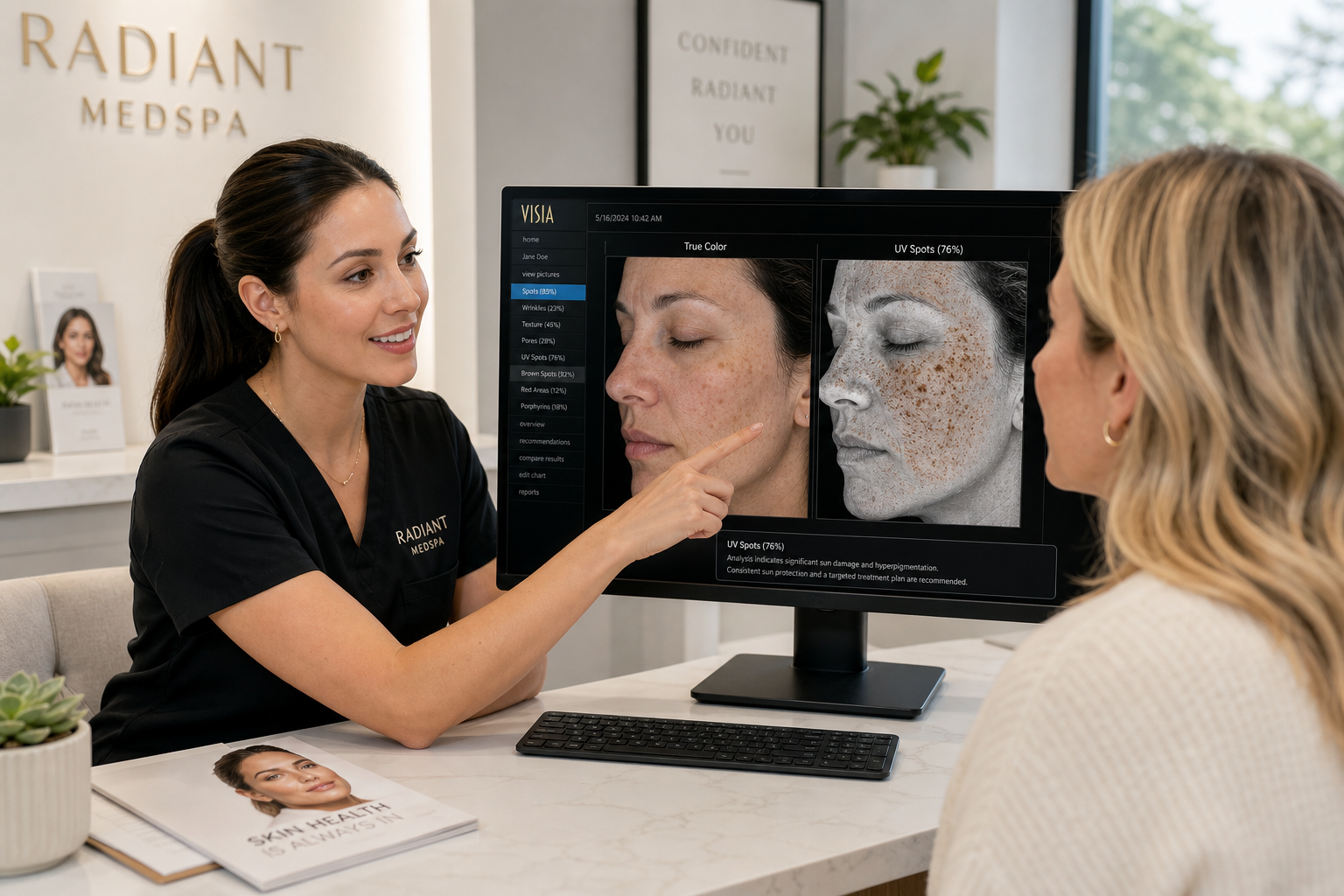
Professional help: Treatments like BBL or IPL photofacials, microneedling, and Natural Growth Factors (PRP) can help improve texture, pigment, and early laxity caused by UV exposure. In a consultation at our Greenwood Village medspa, we can map out which approach fits your skin, budget, and downtime tolerance.
Myth 3: “Self-tanner protects me like a real tan”
The myth: If your skin looks tan from a lotion or spray, you are “less likely” to burn.
The fact: Most self-tanners use DHA, which colors the top layer of your skin. It does not create UV protection. You can look bronzy and still burn just as quickly as if your skin were fair.
Key rule: Self-tanner = color only, sunscreen = protection.
How to safely combine both:
- Apply self-tanner on clean, exfoliated skin
- After it develops, use SPF 30+ every day on top
- Reapply SPF regularly, especially when swimming or sweating
If you are using self-tanner on the face, pair it with a non‑comedogenic sunscreen. Our team often recommends skinbetter® sunscreens or ZO daily SPF formulas that sit comfortably under makeup and do not pill.
Myth 4: “If I tan easily, I won’t age as fast”
The myth: People who rarely burn and tan quickly think they are “safer” long-term.
The fact: All skin tones can experience:
- Premature wrinkles
- Sunspots and melasma
- Loss of elasticity
- Skin cancer
Darker or easier‑tanning skin does have some natural protection, but it is far from complete. Patients are often surprised when we do a complexion analysis and reveal deep sun damage they cannot see in regular light.
Smart moves for every skin tone:
- Daily SPF 30+ on face, neck, chest, and hands
- Vitamin C serum in the morning for antioxidant support
- Retinol or retinoid at night (introduced slowly) for cell turnover
We often build these routines using ZO Skin Health and skinbetter science products that match your skin type and sensitivity.
Myth 5: “TikTok tricks like baby oil or ‘sun tattoo’ lines are harmless fun”
Social media trends that encourage oiling up or making designs with sunscreen to get dramatic tan lines may look creative, but they rely on intentional burns and intense exposure. That means:
- Immediate risk of blistering and peeling
- Long-term risk of spots, texture changes, and skin cancer
If you want visible contrast or contour:
- Use self-tanner to deepen certain areas
- Try makeup bronzer on the body for one‑day definition
- Keep the SPF consistent everywhere you are exposed
When to see a professional
Book a consult with a skin expert if you:
- Notice new or changing moles or dark spots
- See fine lines, dullness, or sunspots that bother you
- Have a history of tanning beds or frequent sunburns
At Steadman Aesthetics in Greenwood Village, we can:
- Evaluate your skin for UV damage
- Create a routine with ZO, skinbetter, or plated skin science when appropriate
- Recommend treatments like peels, light-based therapies, microneedling, or Natural Growth Factors to support healthier, smoother, more even skin
Summer bottom line
You do not have to choose between bronze and healthy.
Skip the “base tan” and sunbeds, use a thoughtful self-tanner, and commit to daily SPF and antioxidants. Your future skin will thank you every time you look in the mirror.