
Threads / Thread Lift

PDO Barbed Threads
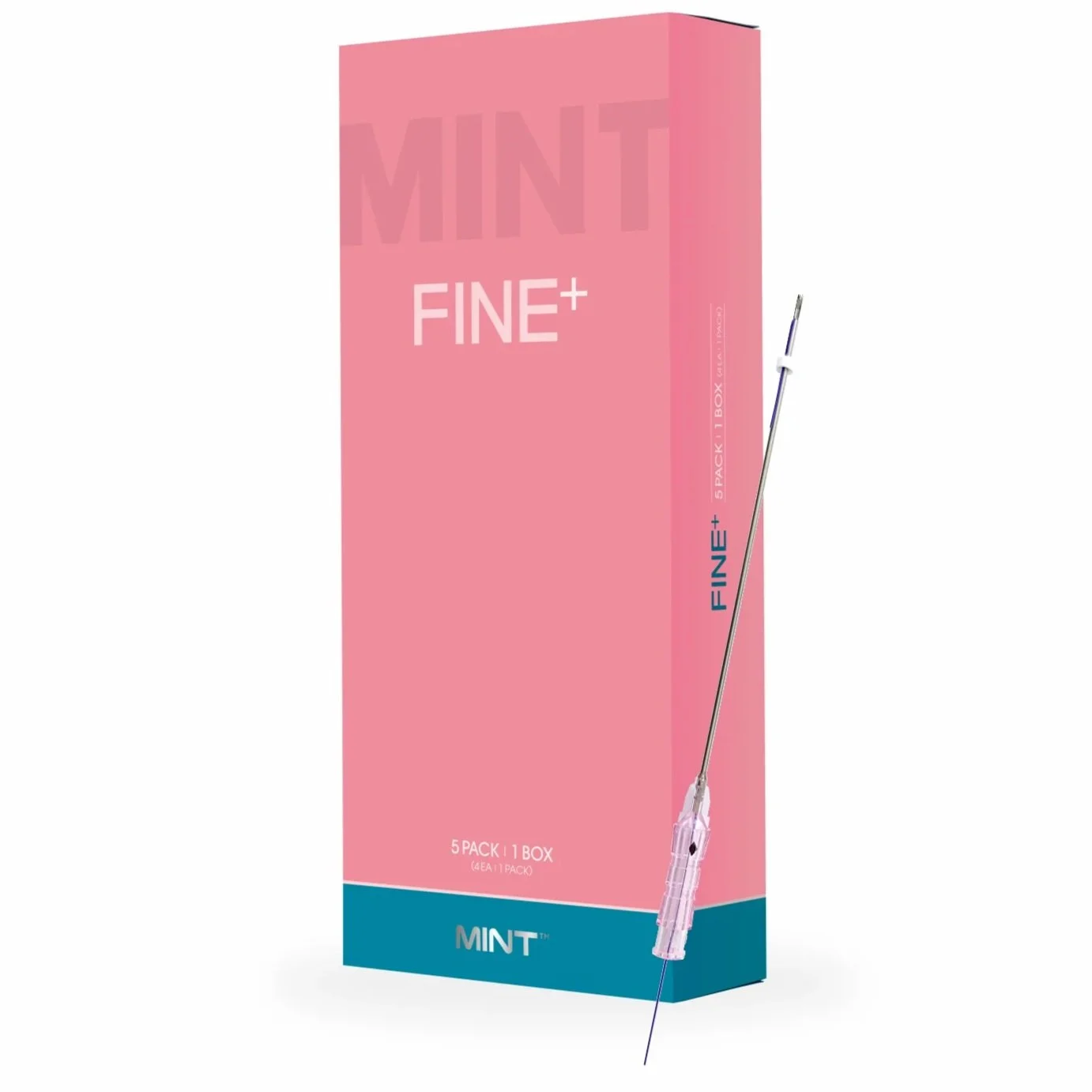
Barbed PDO threads are a great way to get dramatic results, while also naturally improving collagen production in the face over time (we want more collagen as that helps add elasticity and volume to skin creating that youthful, smooth appearance). Thread popularity in aesthetics started in Korea, where they have quickly become the Gold Standard for minimally invasive treatments with dramatic results. Threads are a great alternative to a surgical face lift, as they offer a robust outcome, lifting the skin and creating collagen, all without surgery and very little down time. They are the next generation of minimally invasive facial rejuvenation and threads have recently become popular for the cat eye look, snatched jawline, nasolabial reduction, and V-line. The procedure offers instant & amazing results.
This procedure has evolved over time to an amazing product, Polydiaxonone (PDO). PDO sutures have been used in orthopedic and cardiovascular surgery for wound healing for years (FDA cleared in 2013). Threads completely dissolve over 6-8 months and are absorbed by the body, leaving behind collagen. At Steadman Aesthetics, we use Mint PDO Threads, the industry leader in the thread product market. Mint PDO is backed by more than 6 years of clinical studies for efficacy with two FDA clearances. Threads are a great option for someone looking for a more holistic approach to facial rejuvenation allowing for dramatic patient outcomes and a boost to collagen production.
Smooth Threads
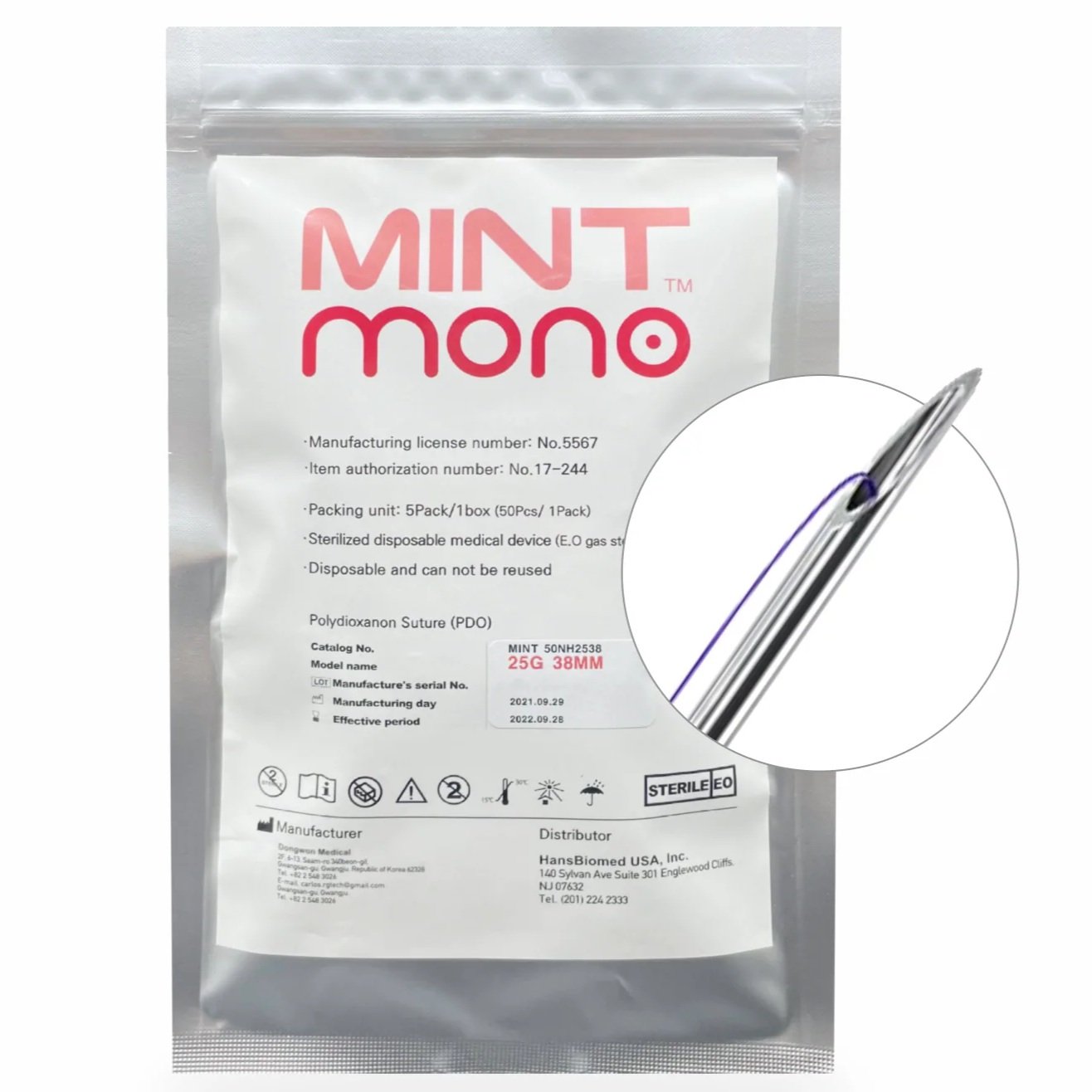
Smooth threads smooth out fine lines or wrinkles, help crepey skin by creating thicker skin, and help produce healthier skin or a “collagen glow”. Smooth threads work just like barbed threads, but they do not lift the skin like barbed threads. Smooth threads are very safe, and they can go practically anywhere in the face or body. They have become the newest trend and may soon be another standard treatment similar to neurotoxin. They can go in the forehead, the glabella, crow’s feet, marionette lines, lips, and nasolabial folds. Some of these areas are risky for filler, yet safe for smooth threads. Smooth threads are also made of polydioxanone (PDO). They are reabsorbed into the body while stimulating your own collagen growth. PDO smooth threads can be personally customized for full face rejuvenation, or they can be utilized for one specific area.

Thread Experts
Thread treatments are a specialty at Steadman Aesthetics. To be skilled in thread treatments one needs to have a great understanding of anatomy, meticulous care, an artistic eye, and great visual spatial perception. Our expert medical practitioners will consult with you to determine the right treatment plan to meet your aesthetic goals.
Pricing
Lifts and tightens around the jawline reducing jowls & sagging
PDO Jawline Thread Lift
$2,000
Limited Time $1,700
PDO Mid-Face Thread Lift
Smooths smile lines, lifts marionettes, and cheek area
$2,300
Limited Time $2,000
Full face thread lift for a great price. Lifts & tightens jaw line reducing jowls & sagging, smooths smile lines, lifts marionettes, and cheek area
PDO Jawline & Mid-Face Thread Lift
$3,000
Limited Time $2,500
Adds collagen to the face by activating the body’s natural healing process
Smooth Threads
$20/Thread
Limited Time $15/Thread
Frequently Asked Questions
-
PDO threads are dissolvable medical sutures placed under the skin to create a subtle mechanical lift and to stimulate collagen as your body heals around the thread. A “PDO thread lift” is most often used to improve the look of mild-to-moderate laxity (early jowls, soft jawline, midface droop), and it’s not designed to replace the dramatic tightening of a surgical facelift.
-
Barbed (cog) PDO threads are designed to anchor and lift—they grip tissue and can reposition it for contouring (ex: jawline/jowls, midface, marionette area).
Smooth/mono threads are primarily for skin quality—they aim to improve crepey texture, fine lines, and “collagen glow,” but they don’t create the same lifting effect as barbed threads. -
PDO threads are commonly used for:
Jawline/jowls (a “snatched jawline” look)
Midface/cheek support
Marionette lines (supporting the lower face)
Select brow/outer eye lifting (“cat eye” thread lift) in appropriate candidates
Results depend heavily on anatomy, tissue quality, and thread pattern, and the best outcomes are usually in people with early laxity, not heavy excess skin.
-
Best candidates typically have:
Mild-to-moderate sagging (not severe excess skin)
Good skin quality (reasonable elasticity)
Realistic expectations for a subtle-to-moderate lift
You may be a poor candidate if you have significant skin excess, very thin/fragile skin, or you want results comparable to surgery (a facelift may be more appropriate). A consult should include a discussion of goals, alternatives, and risk tolerance.
-
Common short-term effects: swelling, bruising, tenderness, tightness, and sometimes lumps/irregularity while threads “settle.”
Potential complications can include: infection, dimpling/puckering, asymmetry, visible or palpable threads, thread extrusion, hematoma, and (rarely) injury to nearby structures. Published medical reviews describe these as known risks that vary by technique, thread type, and provider experience. -
Contact your provider urgently if you have:
Worsening swelling/redness after the first few days
Fever, chills, or flu-like symptoms
Increasing warmth, drainage, pus, or a foul odor
Severe or escalating pain
Skin changes that look concerning (spreading redness, blistering, or ulceration)
Most normal post-procedure swelling/bruising improves steadily; red flags are symptoms that intensify instead of settling.
-
Typical recovery looks like this (varies by person and thread type):
Days 1–3: swelling, tenderness, tightness; bruising can be noticeable
Days 4–7: many people feel “socially presentable,” though tenderness may linger
Weeks 2–4: most settling occurs; small irregularities often smooth out
Months 1–3: collagen stimulation continues, and results may refine
Some sources note many return to routine activities quickly, but it’s normal to feel tightness for 1–2 weeks.
-
Common aftercare “don’ts” include:
Avoid strenuous workouts for about 1–2 weeks (or per your provider)
Avoid facials, facial massage, gua sha, or firm pressure on the area for at least ~10 days (often longer for deeper work)
Consider postponing dental work / wide mouth opening for a few weeks if advised
Sleep on your back with your head elevated for the first several nights
Your injector’s instructions should override generic advice.
-
Most patients describe pressure and pulling, not sharp pain, because providers typically use local anesthetic (sometimes with additional comfort measures). You can expect post-procedure soreness/tenderness that usually improves within days. If you’re anxious about discomfort, ask about the clinic’s pain-control protocol and what to take (or avoid) beforehand.
-
Longevity varies by thread type, area, skin quality, and lifestyle, but many clinics and educational resources cite a typical range around ~12–18 months, with some variability above or below that range. Threads dissolve earlier, but the collagen response can help support results beyond the thread’s presence.
-
Results may fade sooner when there’s:
More advanced laxity than threads can support
High facial movement/strong pulling forces in the area
Weight fluctuations
Smoking or significant sun damage
Under-treatment (not enough lift/support for the tissue)
To help results last, follow aftercare closely, protect collagen with sun protection, and consider a long-term plan that may include skin tightening, collagen-stimulating treatments, or injectables if appropriate.
-
Some early issues (mild asymmetry, dimpling, tightness, small irregularities) may settle as swelling resolves and tissues relax. If there’s a complication like extrusion, persistent contour problems, or infection, management can include medical treatment, removal of exposed thread, or other corrective steps depending on the situation. This is one reason a provider’s complication-management experience matters.
-
Look for a provider who:
Has advanced training and a strong track record specifically with thread lifts
Can explain anatomy-based planning (vectors, depth, thread type)
Shows consistent, natural-looking before/after results (with similar starting anatomy)
Has a clear plan for complication management (infection, extrusion, irregularity)
Uses sterile technique and appropriate patient selection
A great consult should include alternatives, not just threads.
-
Depending on what’s driving the concern (skin laxity vs volume loss), alternatives can include:
Energy-based tightening (e.g., ultrasound or radiofrequency-based treatments)
RF microneedling for texture + tightening
Dermal filler for structural support (when volume loss is the issue)
Biostimulants (e.g., collagen-stimulating injectables) for gradual firmness
A tailored combination plan often gives the most natural result
The “safest” option depends on your anatomy and medical history—there’s no one best fit for everyone.
Interested?
Click the book button to schedule a consultation or book a session, and our expert medical professional will listen to your concerns and advise you on a treatment plan that’s right for you.